What to Do When Your Engine Won't Start Nissan Vehicle
When you turn the key and nothing happens, or the engine cranks but refuses to fire, the first reaction is usually frustration. For Nissan owners, this scenario is common enough that knowing a few basic checks can save time and money. The phrase "engine won't start Nissan" covers a range of issues, from a dead battery to a faulty security system. Understanding what might be wrong helps you decide whether to grab a jumper cable or call a mechanic.
Start With the Obvious: Battery and Alternator
The battery is the most frequent culprit. If the dashboard lights are dim or the car makes a clicking sound, the battery likely does not have enough charge to turn the engine over. Corroded or loose battery terminals can also interrupt the flow of electricity. A quick visual check and a terminal cleaning sometimes solve the problem. If the battery is more than four years old, its capacity may have dropped enough to cause trouble, especially during a cold start.
But a weak battery is not always the end of the story. The alternator charges the battery while the engine runs, and a failing alternator can leave you with a drained battery even after a long drive. If you jump-start the car and it dies again shortly after, the alternator is a likely suspect. Testing the charging system with a multimeter is straightforward: a healthy alternator should produce between 13.5 and 14.5 volts at the battery terminals with the engine running.
The Car Key Symbol and Security System Interlocks
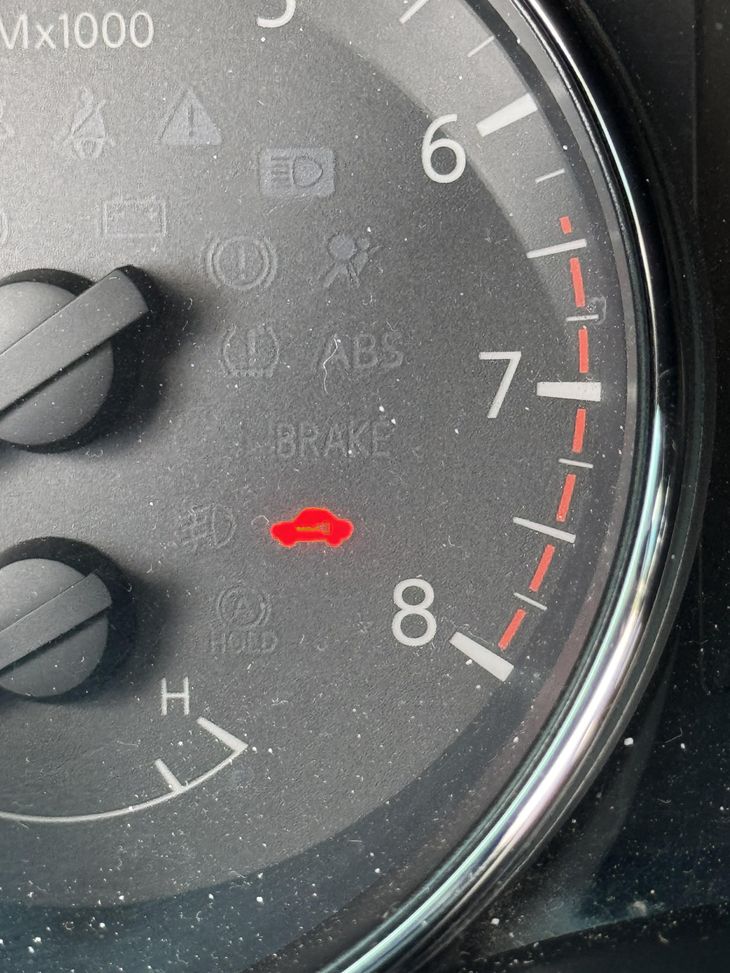
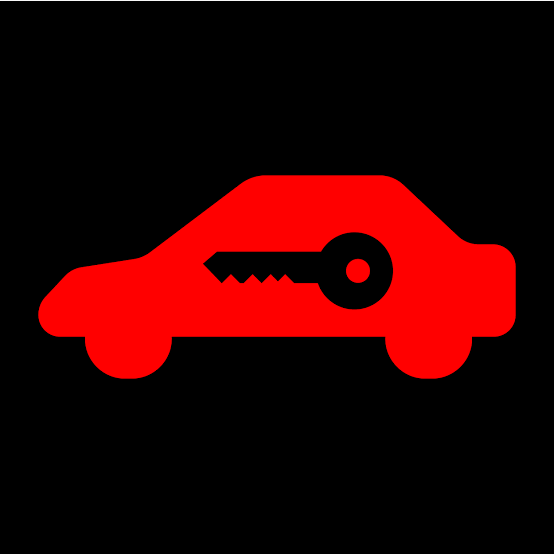
Many newer Nissan models have a car key symbol on the dashboard that lights up when the security system is active. This symbol often appears as a small key icon inside a car outline. If that light stays on or flashes when you try to start the engine, the transponder key may not be communicating properly with the ECU. The security system can prevent the engine from starting even if everything else is fine.

Try using the spare key, or hold the key fob closer to the start button. Some models require the key to be inside a specific zone near the steering column. If the car key symbol remains lit, the interlock between the key and the ECU might need a reset. Refer to the owner's manual for the exact procedure, but a common fix is to lock and unlock the driver's door manually with the key, then try starting again.
Ignition System: Spark Plugs and Fuel Delivery
If the engine cranks strongly but does not start, the problem likely lies in the ignition system or the fuel system. Spark plugs are the first thing to check. Over time, spark plugs wear out, get fouled by oil or carbon, or develop cracks in the insulator. A weak or missing spark in even one cylinder can prevent the engine from running smoothly, and in some cases, stop it from starting altogether. Replacing spark plugs at the interval recommended in the maintenance schedule is cheap insurance.
Fuel delivery is equally important. The fuel pump must pressurize the fuel rail, and the fuel injectors must spray the right amount of fuel into each cylinder. A common symptom of a failing fuel pump is a whining sound that changes pitch or stops entirely when you turn the key to the "on" position. If you hear nothing, the pump may be dead. Clogged fuel injectors can also starve the engine, especially in older Nissan models or those that have sat unused for a while.
ECU and Sensor Glitches
Modern cars rely heavily on the engine control unit (ECU) to manage fuel mixture, timing, and other variables. The ECU reads data from sensors such as the crankshaft position sensor, the camshaft position sensor, and the coolant temperature sensor. If one of these sensors sends an incorrect signal, the ECU may refuse to start the engine as a protective measure. The phrase "engine won't start Nissan" often has a sensor-related cause that is not immediately obvious.
Reading the diagnostic trouble codes (DTCs) with an OBD-II scanner can pinpoint the faulty sensor. For instance, a bad crankshaft position sensor will prevent the ECU from knowing where the pistons are, so it cannot time the spark. Replacing that sensor is usually straightforward and costs far less than a trip to the dealership.
Cold Start and Fuel Issues
Colder weather thickens engine oil and slows down battery chemistry. A cold start can reveal weaknesses that go unnoticed in warmer months. If the car was running fine yesterday but refuses to start this morning, consider temperature effects. The fuel mixture might need to be richer, and the ECU compensates based on sensor input. A failing engine coolant temperature sensor can mislead the ECU into using the wrong mixture, making cold starts difficult.
Fuel quality matters too. Old gas, water contamination, or the wrong octane can cause starting trouble. If you fill up at a station that does not sell much fuel, water can accumulate in the underground tank and end up in your car. Adding a good fuel system cleaner and refueling at a busy station can sometimes resolve the issue.
Comparing Across Brands
While every car has its quirks, Nissan is not alone in these problems. Other major brands like Honda, Toyota, Mercedes-Benz, Ford, and Volkswagen all face similar challenges with batteries, security systems, and sensors. What differs is the diagnostic approach and the ease of access to components. For example, some Mercedes-Benz models require a dealer tool to reset the security interlock, whereas many Nissans can be reset with a simple key procedure. Knowing the specifics of your vehicle saves time.
Practical Steps to Diagnose
Before you call for help, run through this short checklist:
- Check the battery voltage and clean the terminals.
- Look for the car key symbol on the dashboard and try a different key or key position.
- Listen for the fuel pump when you turn the key to the "on" position.
- Inspect the spark plugs for wear or damage.
- Read the ECU for trouble codes with an OBD-II scanner.
If none of these steps get the engine running, the problem might be more complex, such as a failed ECU, a broken timing chain, or internal engine damage. At that point, a professional diagnosis is wise. But for many cases, the cause is something simple that you can address yourself.
Final Thoughts
Every Nissan owner will eventually face a moment when the engine does not respond. The phrase "engine won't start Nissan" covers a wide territory, but most causes fall into a few categories: battery and charging, security system interference, ignition or fuel delivery, and sensor malfunctions. Approaching the problem methodically, starting with the easiest checks, often leads to a quick fix. And when it does not, you have more information to give the technician, which saves time and money.